If my small business ever reached that terrifying point — sales falling, bills piling up, and the horizon looking empty, the easiest thought would be: Maybe it’s time to quit.
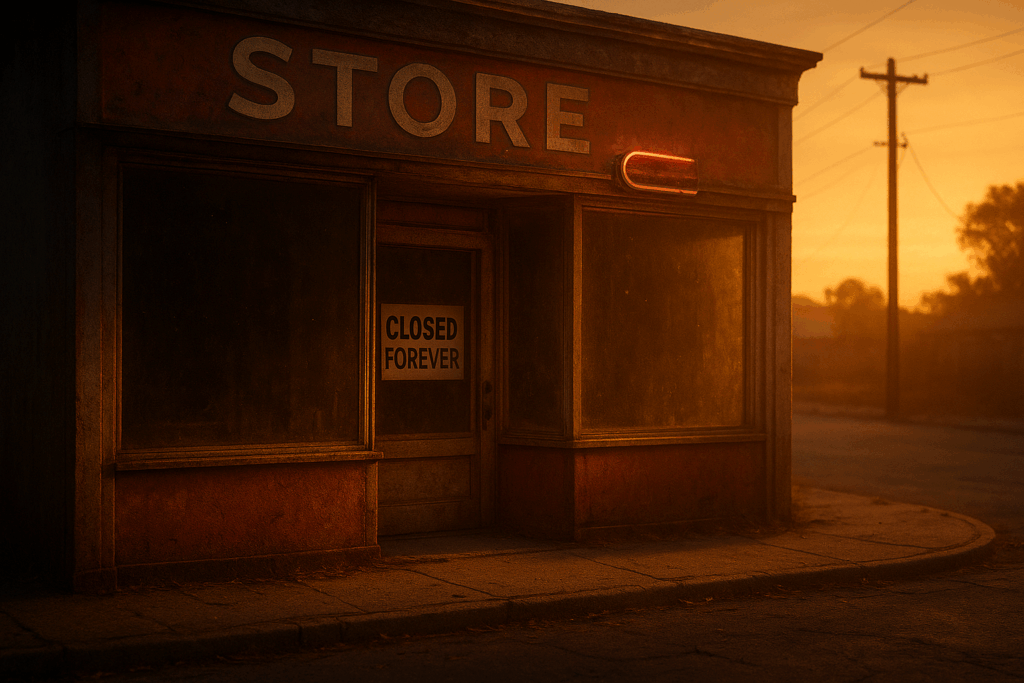
But when I step back and look at the bigger picture, I don’t see one-off failure, I see a trend. Stores are closing in record numbers.
In 2025, nearly 6,000 retail locations shut in the first half of the year, and projections suggest that could reach as many as 15,000 by year-end, far higher than the 7,325 closures in 2024.
Job cuts have spiked too: layoffs jumped by 249% in the first seven months of 2025 with over 80,000 announced. These are not just numbers; they’re families losing paychecks, communities losing services, and entrepreneurs facing the same painful choices I’m imagining right now.
So what would I do instead of shutting down? Before I answer, know this: quitting forever is permanent. Pivoting is not.
So pause and read to the end — the final point could change how you see your business. And if you haven’t tried the second strategy yet, you’ll have two choices after reading: either pivot or find a new idea.
Here’s What I’d Do Instead
The best part? You might find the real solution towards the end of this, so don’t skip.
1. I’d Start Talking to My Customers Again
The first thing I’d do is go back to the basics — I’d talk to my customers directly.
I’d talk to the people who already bought from me. Not a generic post, not a one-question poll — real conversations. Surveys, WhatsApp chats, quick calls, in-store feedback.
Ask them what they value, what they’d change, and whether they’d refer a friend. When I listen, I don’t just gather data — I rebuild trust. That trust turns into referrals and returning customers, and often that’s enough to buy time.
Small businesses revive this way all the time.
Sometimes, your next product idea or marketing angle is hidden in something a customer said casually.
And when people feel heard, they naturally tell others. That’s how I’d rebuild trust and referrals without spending a dime.
2. I’d Move 90% of My Efforts Online
If foot traffic is gone, I’d make buying invisible-simple. Not a full-blown eCommerce overhaul overnight, but a fast pivot: Instagram shop, WhatsApp ordering, click-and-collect, simple checkout links.
The point is accessibility. When customers can buy from home, you stop depending on chance walk-ins.
Retail chains and smaller brands alike have done this and survived. Quick online pivots can turn stalled cashflow into orders within weeks. The key is speed and clarity: show what’s available, how to order, and how fast they’ll get it
3. I’d Narrow My Audience — Not Chase Virality
Virality can feel like magic, but it often brings applause, not customers. If my posts were getting likes but not sales, I’d stop shouting at everyone and start speaking to the few who actually buy.
Tighter targeting, a clearer offer, stronger calls-to-action. Rebrand the message to match the buyer’s language.
Big brands have done this and come back stronger: they didn’t follow every trend — they found the right one for the right people. That’s what I’d emulate: precision over popularity.
Sometimes, the difference between a dying business and a thriving one is just clearer positioning.
Why This Matters More Than Ever
We’re not operating in a vacuum. With thousands of stores closing and tens of thousands of jobs lost recently, consumer habits are shifting fast. People are more cautious, more selective. That means the companies that survive will be the ones who read those signals and move accordingly — not the ones who give up.
Here’s the Part Most People Miss
Most businesses don’t die because of competition — they die because of silence.
They stop marketing when things get tough, thinking “we’ll restart later.” But “later” rarely comes.
The Part You Don’t Want to Skip
Here’s the most important shift I’d make: I wouldn’t cut marketing to save money. I’d change how I market. Instead of broad, expensive plays, I’d invest in customer-first, low-cost tactics that drive direct sales: personal outreach, targeted social funnels, rapid online ordering, and content that converts, not just entertains.
That’s the pivot that turns trouble into momentum. It’s not glamorous, but it’s practical. It’s not instant, but it’s repeatable. And unlike shutting down, it preserves value; for me, my team, and my community.
If I had to sum it up: before I closed the doors, I’d listen, go online, and narrow my aim. I’d market smarter, not louder. I’d give my business one last, focused push, because sometimes your biggest comeback is one clear decision away.